
The Workshop on Sustainable Biomass Energy Development and Knowledge Exchange, jointly organized by the Chinese Committee for the International Centre for Integrated Mountain Development (CNICIMOD) and the International Centre for Integrated Mountain Development (ICIMOD), was held at the Institute of Mountain Hazards and Environment (IMHE), Chinese Academy of Sciences (CAS), in Chengdu from October 16 to 19. Experts attending the workshop included WANG Quanhui, Researcher and Chief Scientist at the Agro-ecology and Resources Protection Station of the Ministry of Agriculture and Rural Affairs of China; SUN Yongming, Researcher and Deputy Director of the Guangzhou Institute of Energy Conversion, CAS; and ZHANG Qiangong, Head of ICIMOD’s Climate and Environmental Risks Division.
WANG Quanhui delivered a keynote presentation on the utilization of agricultural and forestry biomass resources in China. He outlined the five major pathways for straw utilization—as feed, fertilizer, fuel, base material, and raw material—reviewed relevant policy developments, and presented representative case studies. He emphasized the need to establish synergies between agriculture and energy systems. SUN Yongming introduced anaerobic conversion technologies for biomass, explaining technical approaches to producing biomethane and high-value products from organic waste, as well as emerging pathways for value-added utilization. His presentation provided technical insights for developing small-scale biomass projects suited to mountain environments.
During country presentations, representatives from ICIMOD member countries, including Nepal, Bhutan, and Pakistan, highlighted the challenges of black carbon pollution caused by the open burning of agricultural and forestry residues and the limited availability of clean energy across the Hindu Kush Himalaya (HKH) region. They expressed interest in drawing on China’s experience, developing small-scale technologies adapted to mountain conditions, and strengthening mechanisms for cross-border knowledge and technology transfer.
The thematic discussions, chaired by ZHANG Qiangong, focused on business models for the biomass industry, collection, storage, and transportation systems for straw and other agricultural and forestry residues, policy support mechanisms, cross-border technology transfer, and the shared practical needs of HKH mountain countries. Participants proposed establishing a regular multilateral exchange mechanism and developing a multilateral science and technology cooperation platform for biomass energy in the HKH region. They also emphasized that, given the complex topography of the HKH, large-scale, centralized biomass projects cannot be directly replicated across the region. Instead, member countries should take local mountain conditions into account and prioritize technologies that are small-scale, cost-effective, and easy to operate and maintain. Strengthening collaborative innovation and mutual learning in biomass utilization was also identified as essential to advancing the region’s green and low-carbon transition and building more resilient mountain ecosystems.
During the workshop, participants visited the Dayi County Agricultural Organic Waste Comprehensive Treatment and Utilization Center and the Mianyang Zhongke Miantou Circular Economy Industrial Park. The visits provided opportunities to learn about engineering practices in anaerobic treatment, biomethane production, and the coordinated utilization of multiple solid waste streams, offering practical insights for planning and developing small-scale demonstration projects in the HKH region.
The workshop brought together more than 30 participants from CNICIMOD, ICIMOD, government departments, research institutions, civil society organizations, and international organizations in ICIMOD member countries, as well as experts and scholars from Chinese universities and research institutes.
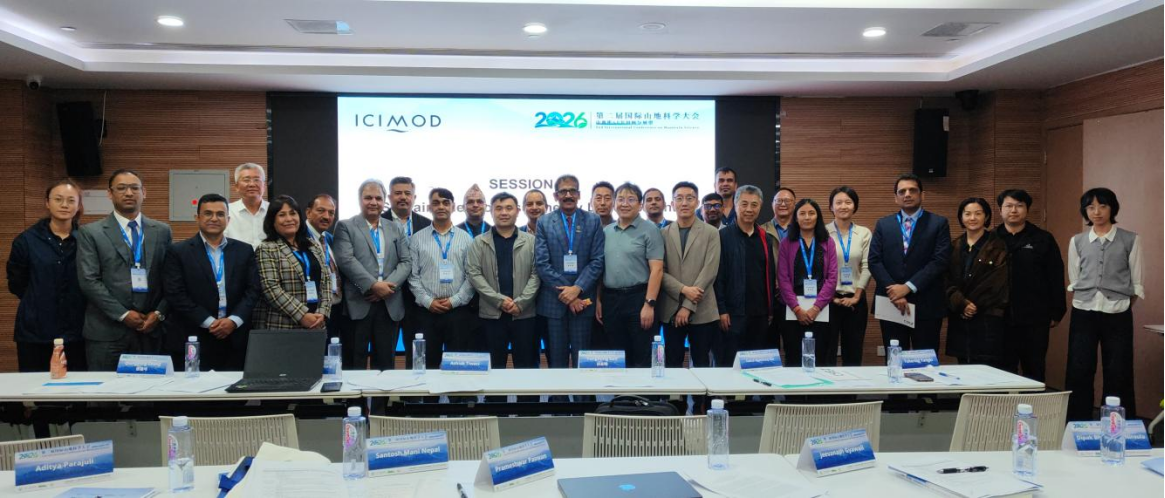
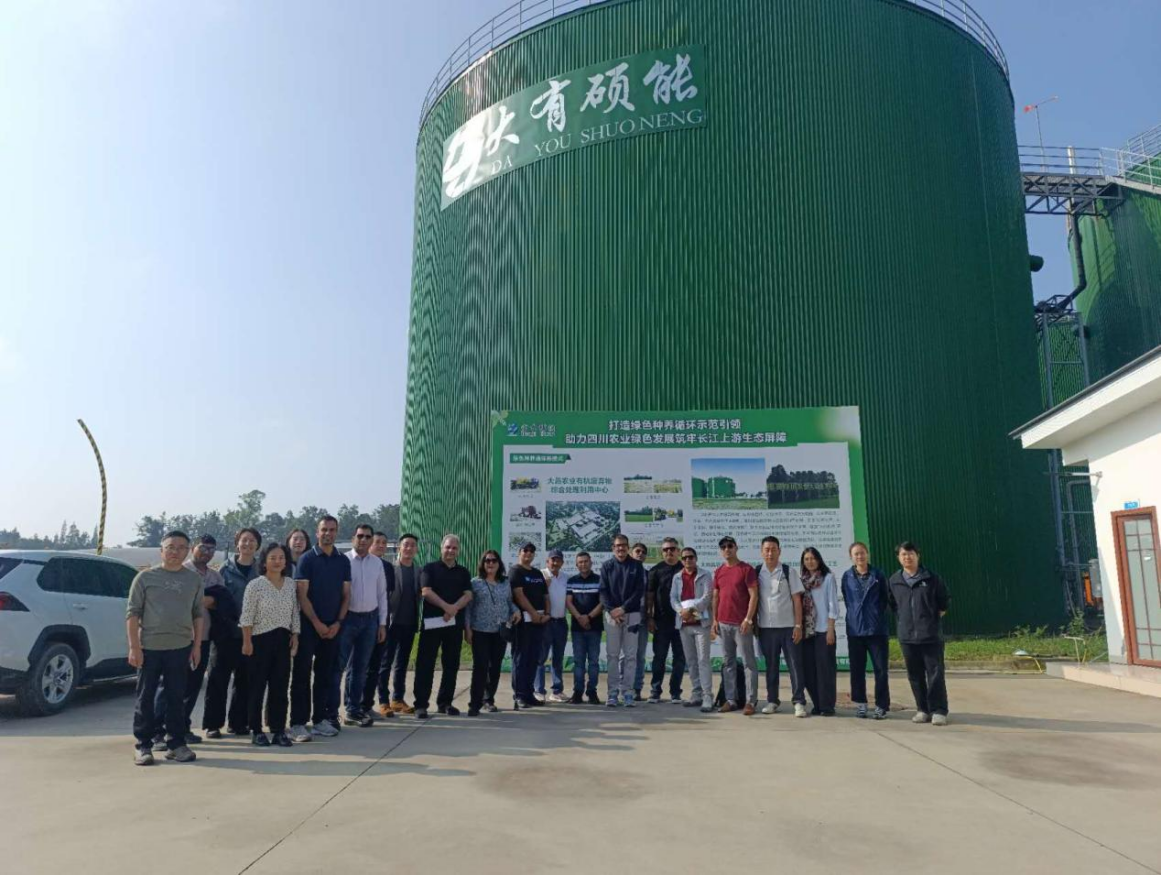
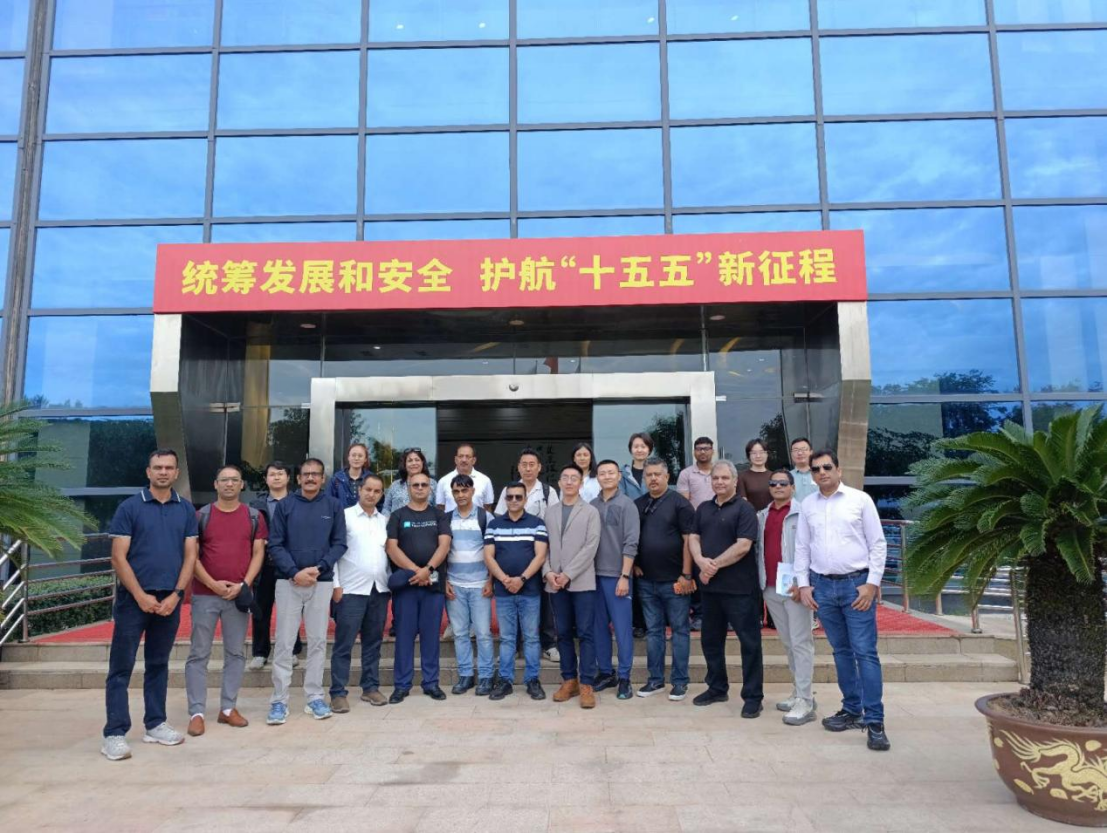
Group Photographs from Visit and Conference (Image by IMHE)