
The HKH Cryo-DRR Hub 2026, held in Chengdu from 23 to 29 August, brought together around 80 experts, policymakers, and practitioners from Australia, Bangladesh, Bhutan, China, France, Germany, India, Myanmar, Nepal, Pakistan, the United Kingdom, and the United States, alongside representatives from universities, government agencies, development partners, and international organizations such as ICIMOD, CAS, IUCN, the Asian Development Bank, and the Australian Department of Foreign Affairs and Trade. Hosted by the Institute of Mountain Hazards and Environment (IMHE), Chinese Academy of Sciences and the International Centre for Integrated Mountain Development (ICIMOD), with IMHE serving as the host institution for the ICIMOD China Office, the five‑day programme was divided into two complementary events: the CryoHub Writeshop and Annual Meeting (24–26 August) and the DRR Hub on locally‑led development (27–28 August).
During the first three days, thematic groups delved into glaciers, snow, permafrost, and related hazards, assessing current knowledge, identifying research gaps, and charting collaborative opportunities across the HKH, while country representatives from Bhutan, China, India, Nepal, and Pakistan shared national progress and priorities, and the Early Career Scientist Award was presented to recognize emerging talent. The annual meeting further advanced the regional cryosphere strategy advisory working group and reviewed the HKH CryoHub Statute, setting clear directions for future cooperation.
Over the final two days, the DRR Hub shifted focus to translating scientific insights into local action, with opening addresses by ICIMOD Director General Pema Gyamtsho (delivered virtually) and IMHE Director Professor KANG Shichang , followed by intensive discussions on multi-hazard risk assessment, early warning systems, anticipatory action, risk-informed investment, disaster governance, and the critical need for decentralized decision-making and adequate financing for local institutions.
The urgency of these conversations was amplified by a devastating flash flood and glacier-related event that struck Langtang National Park near Gyirong Port along the China–Nepal border just one day before the DRR Hub, causing heavy casualties and property damage, which served as a stark reminder of the region's escalating mountain hazards. Particular attention was given to often-overlooked threats like ice avalanches, with Professor Shichang Kang underscoring that such events can be equally or even more destructive than glacial lake outburst floods, and that learning from international experience is vital to improving preparedness.
Throughout the programme, participants emphasized that robust regional cooperation must ultimately empower local communities, where emergency decisions are made, and they worked on concrete thematic action plans to strengthen risk understanding, governance, investment in resilience, and preparedness, response, and recovery mechanisms. By bridging scientific knowledge with grassroots decision-making and fostering sustained cross-border partnerships, the HKH Cryo-DRR Hub 2026 not only reinforced the collective commitment to addressing growing mountain risks but also laid a practical foundation for turning shared knowledge into shared action, ensuring a more resilient future for the Hindu Kush Himalaya.
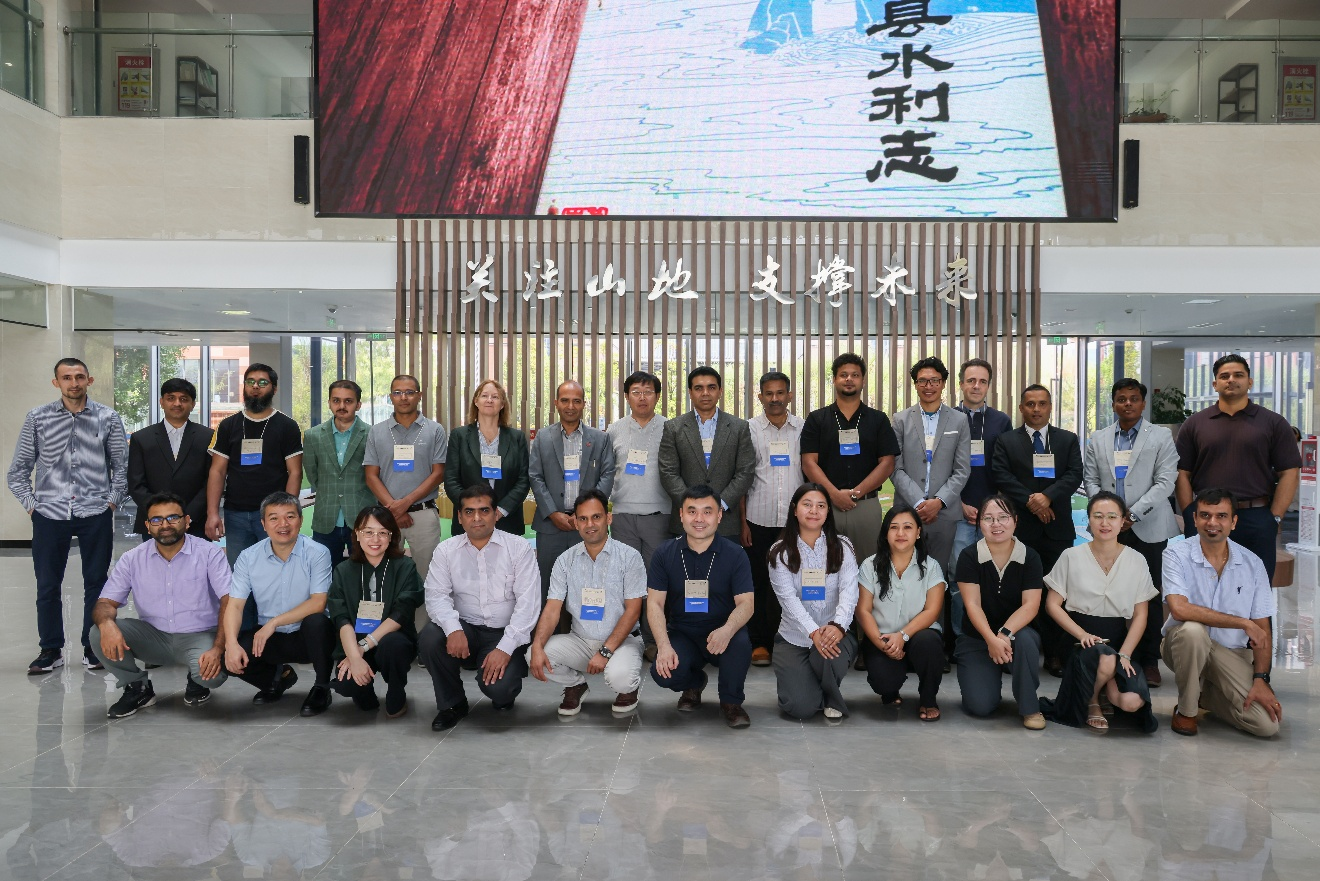
Figure 1. Group Photo of the participants at the HKH CryoHub Annual Meeting 2026. (Image by IMHE)
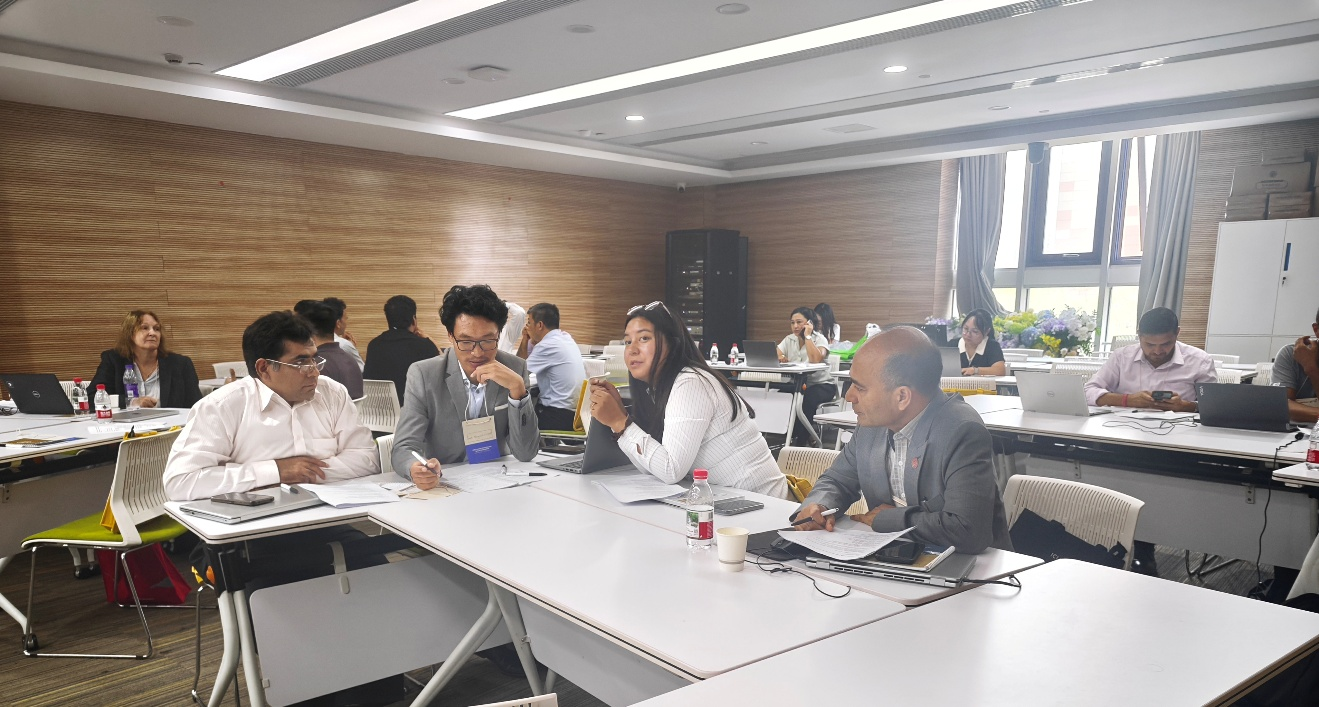
Figure 2. Participants involved in group discussion during the CryoHub Writeshop. (Image by IMHE)
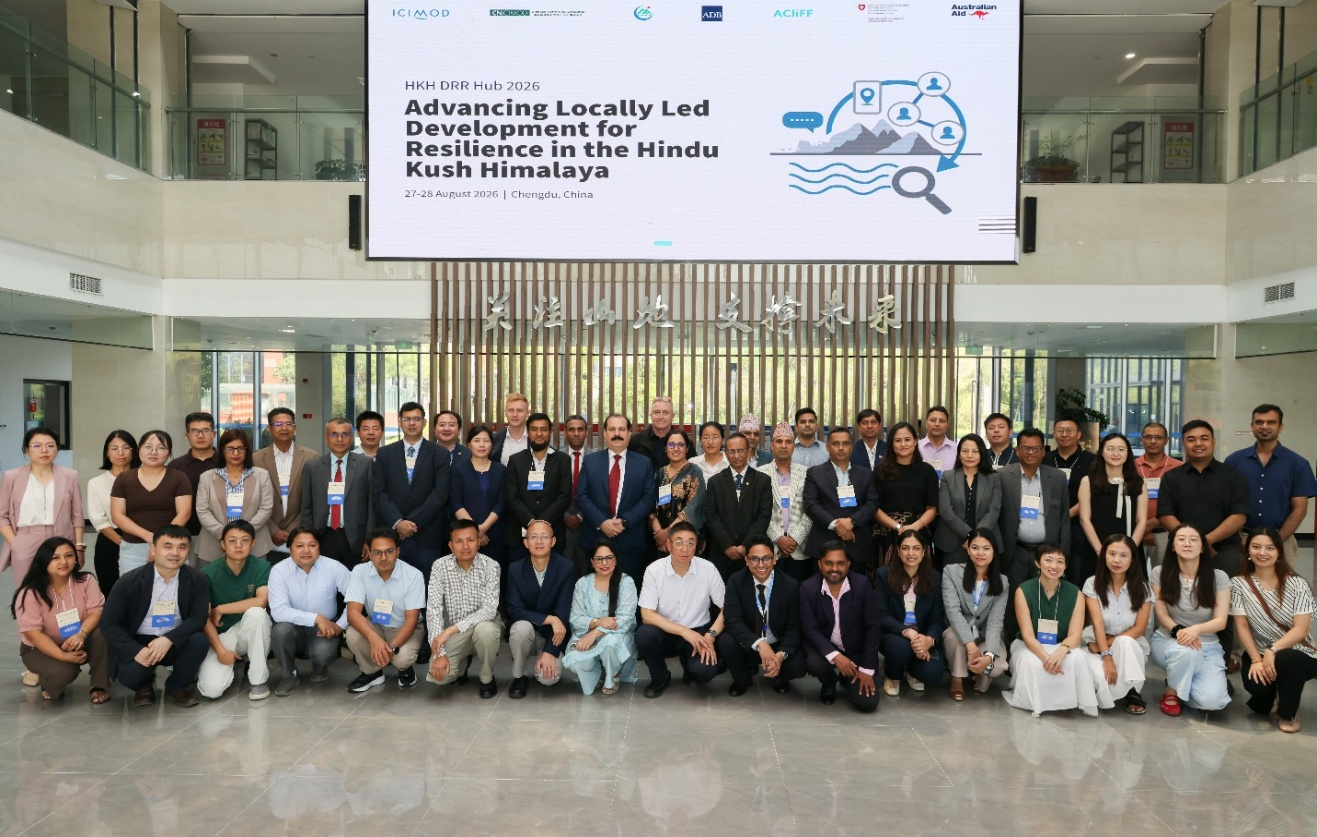
Figure 3. Group photo of the participants at the HKH DRR-Hub 2026. (Image by IMHE)
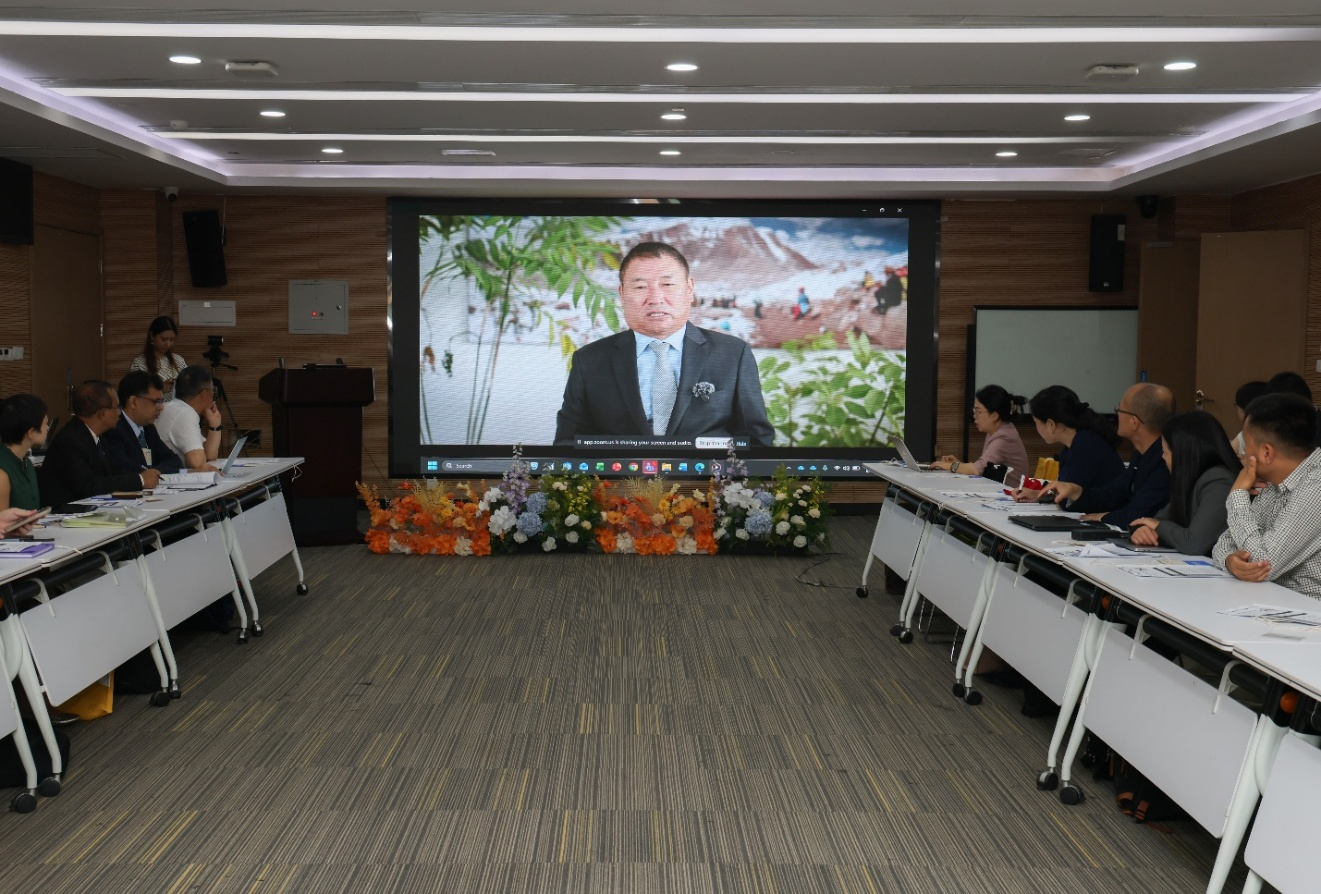
Figure 4. Opening speech by Director General of ICIMOD Pema Gyamtsho. (Image by IMHE)
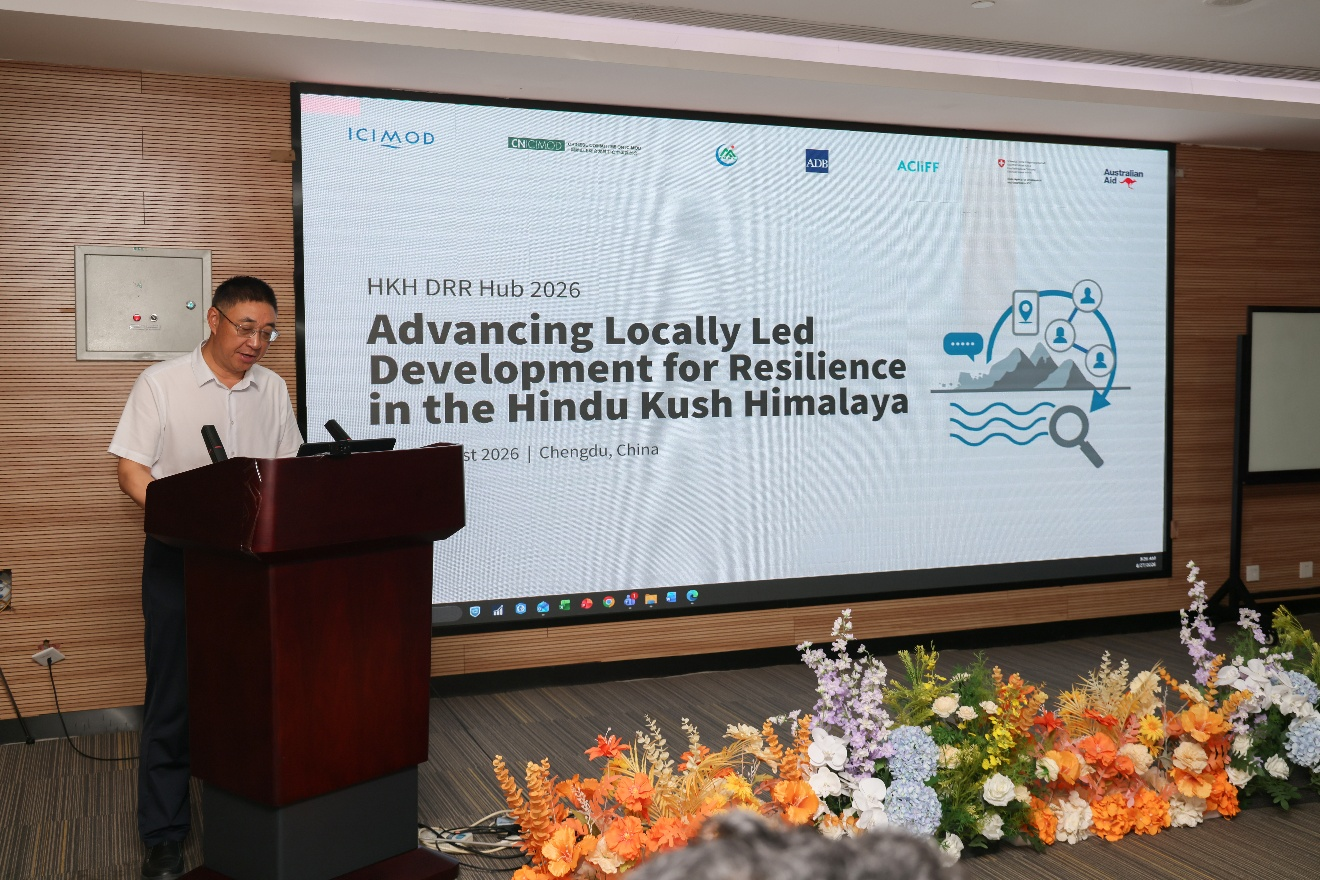
Figure 5. IMHE Director‑General Prof. KANG Shichang delivers the closing speech at the DRR‑Hub. (Image by IMHE)